+91 6355 2354 39


The Ultimate Guide to Optimizing Your Google Business Profile
In today’s digital age, having a robust online presence is essential for businesses of all sizes. One of the most effective ways to improve local visibility is by optimizing your Google Business Profile (GBP), previously known as Google My Business. This guide will walk you through everything you need to know about setting up and optimizing your GBP to attract local customers and boost your online presence.
What Is Google Business Profile?
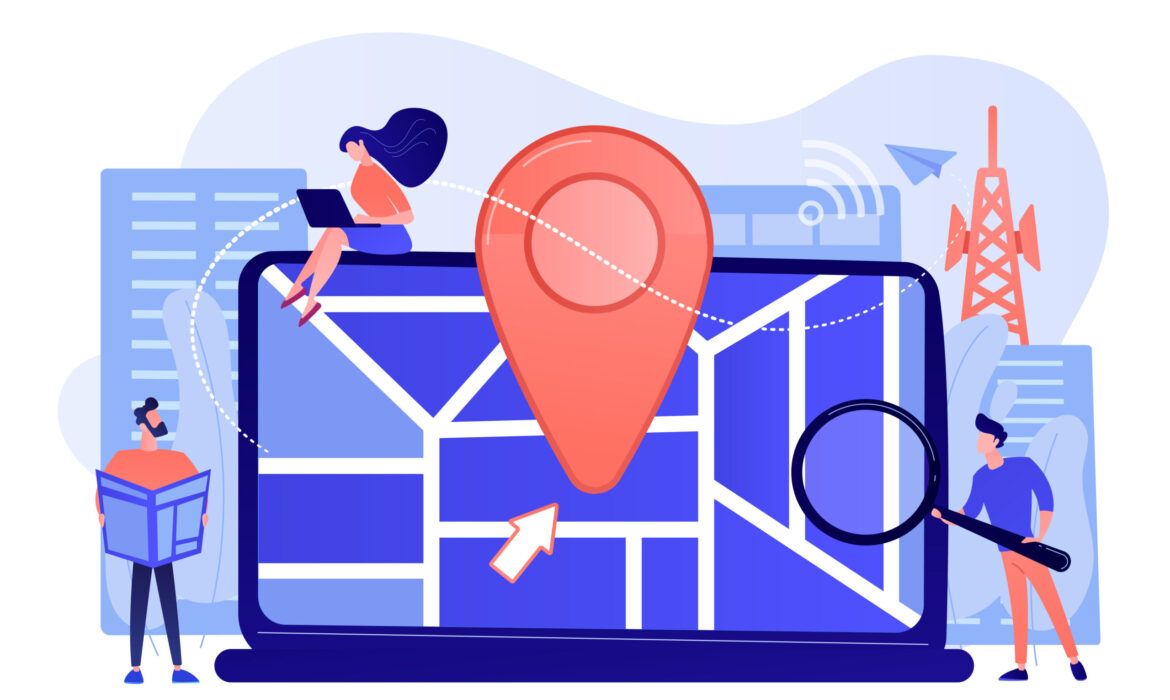
Google Business Profile is a free tool provided by Google that allows businesses to manage their online presence across Google Search and Maps. A well-optimized GBP ensures that your business appears in relevant local search results, such as the Local Pack and Google Maps, making it easier for potential customers to find you.
Why Is Google Business Profile Important?
1. Enhanced Local Visibility: Helps your business appear in local search results and on Google Maps.
2. Improved Credibility: A verified profile instills trust in potential customers.
3. Direct Customer Interaction: Allows customers to contact you, leave reviews, and ask questions.
4. Boosts SEO: Complements your local SEO efforts by improving your online visibility.
Step 1: Setting Up Your Google Business Profile
1. Create or Claim Your Business Profile
If you don’t already have a GBP:
- Go to [Google Business Profile](https://www.google.com/business/).
- Sign in with your Google account.
- Search for your business to see if it already exists. If not, click “Add your business to Google.”
If your business already exists but isn’t claimed:
- Click “Claim this business” and follow the verification steps.
2. Verify Your Business
Verification is crucial to gain full control of your GBP. You can verify via:
- Postcard: Google sends a postcard with a verification code to your business address.
- Phone or Email: Available for some businesses.
- Instant Verification: For businesses already verified on Google Search Console.
3. Choose the Correct Categories
Select primary and secondary categories that accurately describe your business. This helps Google match your profile with relevant search queries.
Step 2: Optimizing Your Google Business Profile
Once your GBP is set up and verified, it’s time to optimize it for maximum visibility and engagement.
1. Complete Your Business Information
Ensure that all essential details are accurate and consistent:
- Business Name: Use your official business name.
- Address: Ensure the address matches your website and other online listings.
- Phone Number: Use a local number for better local SEO.
- Website URL: Link to your main website or a relevant landing page.
- Operating Hours: Update your hours regularly, especially during holidays.
2. Add a Compelling Business Description
Write a clear and engaging description that highlights what your business offers. Use relevant keywords but avoid keyword stuffing. Focus on:
- Your services/products.
- Unique selling points (USPs).
- Why customers should choose your business.
3. Upload High-Quality Photos
Photos play a crucial role in attracting customers:
- Profile and Cover Photo: Use professional images that represent your brand.
- Product/Service Photos: Showcase your offerings.
- Interior and Exterior Photos: Give customers a sense of your location.
- Team Photos: Add a personal touch by introducing your team.
4. Manage Customer Reviews
- Encourage Reviews: Ask satisfied customers to leave reviews.
- Respond to Reviews: Reply promptly to both positive and negative reviews. Be polite and professional.
- Monitor and Analyze Feedback: Use reviews to understand customer expectations and improve services.
5. Utilize Google Posts
Google Posts allow you to share updates, offers, and events directly on your profile. Best practices:
- Keep posts concise and engaging.
- Use eye-catching images.
- Include a clear call-to-action (CTA) like “Learn More” or “Call Now.”
- Post regularly to stay relevant.
6. Add Products and Services
List your products and services to provide customers with detailed information. Include:
- Product/Service names.
- Descriptions with relevant keywords.
- Pricing details, if applicable.
7. Enable Messaging
Turn on the messaging feature to allow customers to contact you directly. Ensure you:
- Respond promptly.
- Use automated replies to acknowledge inquiries.
- Monitor messages regularly to avoid missed opportunities.
8. Optimize for Local SEO
- Add Location Keywords: Incorporate local keywords in your description and posts.
- Build Local Citations: Ensure your business is listed on other directories with consistent NAP (Name, Address, Phone) details.
- Get Local Backlinks: Collaborate with local businesses or bloggers to get quality backlinks.
9. Track Performance with Insights
Google Business Profile Insights provides valuable data:
Search Queries: Learn how customers find you.
Customer Actions: Track calls, website clicks, and direction requests.
Photo Views: Monitor engagement with your images.
Performance Trends: Analyze what works and refine your strategy.
Step 3: Maintaining Your Google Business Profile
Optimizing your GBP is not a one-time task. Regular maintenance ensures your profile stays relevant and effective.
1. Update Information Regularly
Keep your business details up-to-date, especially:
- Operating hours.
- Address changes.
- Contact details.
2. Monitor and Manage Reviews
Stay on top of customer feedback and respond promptly.
3. Post Regular Updates
Use Google Posts to share news, promotions, and events.
4. Review Analytics
Use GBP Insights to understand customer behavior and improve your strategy.
Common Mistakes to Avoid
1. Ignoring Reviews
Not responding to reviews can hurt your reputation.
2. Inconsistent NAP Details
Ensure your business name, address, and phone number are consistent across all platforms.
3. Neglecting Regular Updates
Outdated information can lead to missed opportunities and frustrated customers.
4. Keyword Stuffing
Use keywords naturally to avoid penalties.
5. Low-Quality Photos
Blurry or unprofessional photos can deter potential customers.
Conclusion
A well-optimized Google Business Profile is a powerful tool to enhance your local online presence, attract more customers, and grow your business. By following the steps outlined in this guide, you can ensure your profile stands out and provides value to potential customers. Remember, consistency, engagement, and regular updates are key to maximizing the benefits of your GBP. Start optimizing today and watch your local SEO efforts pay off!

Optimizing Your Landing Page for Better Conversions: A Comprehensive Guide
In the fast-paced world of online marketing, capturing your audience’s attention and converting them into customers is a crucial aspect of success. Your landing page serves as the gateway to your business, making it essential to optimize it for maximum conversions. In this guide, we’ll explore effective strategies to enhance your landing page and turn visitors into loyal customers.
1. Understand Your Audience:
Before diving into optimization techniques, it’s crucial to understand your target audience. Know their preferences, pain points, and what motivates them. Tailoring your landing page content to resonate with your audience will significantly increase the likelihood of conversion.
2. Craft a Compelling Headline:
The headline is the first thing visitors see, and it should instantly convey the value proposition of your product or service. Make it clear, concise, and attention-grabbing. Use compelling language to evoke interest and encourage users to explore further.
3. Create a Clear Call-to-Action (CTA):
A well-designed CTA is the cornerstone of a high-converting landing page. Make it stand out by using contrasting colors, clear fonts, and strategic placement. The text should be action-oriented, guiding visitors on what step to take next.
4. Streamline Page Elements:
Keep your landing page clean and clutter-free. Eliminate any unnecessary elements that might distract or confuse visitors. A minimalist design with a focused message enhances user experience and increases the chances of conversion.
5. Optimize Load Times:
A slow-loading page can drive potential customers away. Optimize images, minimize code, and leverage browser caching to ensure your landing page loads quickly. Tools like Google PageSpeed Insights can help identify and resolve performance issues.
6. Mobile Responsiveness:
With the increasing use of smartphones, ensuring your landing page is mobile-friendly is non-negotiable. Responsive design ensures a seamless experience across various devices, capturing a broader audience and improving conversion rates.
7. Engaging Visuals:
Humans are visual creatures, and compelling visuals can significantly impact user engagement. Use high-quality images, videos, and graphics that align with your brand and message. Visual content should complement the text and guide users through the conversion process.
8. Build Trust with Testimonials:
Including testimonials and reviews from satisfied customers builds trust and credibility. Real-life experiences provide social proof, alleviating any doubts potential customers may have. Feature positive feedback prominently on your landing page to instill confidence in your product or service.
9. A/B Testing:
Continuously refine your landing page by conducting A/B tests. Experiment with different headlines, CTAs, colors, and layouts to identify what resonates best with your audience. Regular testing allows you to make data-driven decisions and optimize for ongoing success.
10. Track and Analyze:
Implement analytics tools such as Google Analytics to track user behavior on your landing page. Analyzing metrics like bounce rate, conversion rate, and user flow can provide valuable insights. Use this data to identify areas for improvement and refine your strategy over time.
Conclusion:
Optimizing your landing page is an ongoing process that requires attention to detail, creativity, and a deep understanding of your audience. By implementing these strategies and staying vigilant with testing and analysis, you can create a high-converting landing page that not only attracts visitors but also turns them into loyal customers. Keep evolving your approach based on feedback and data, and watch your conversion rates soar.

The Power of Backlinks in SEO: Unlocking the Path to Online Success
In the vast landscape of digital marketing, Search Engine Optimization (SEO) stands as the cornerstone for online visibility and success. Among the myriad factors influencing a website’s search engine ranking, backlinks emerge as a crucial element. In this blog, we will delve into the significance of backlinks in SEO and how they play a pivotal role in boosting a website’s credibility, authority, and overall performance.
Understanding Backlinks:
Backlinks, also known as inbound or incoming links, are links from one website to another. They act as digital endorsements, signifying that a particular website is vouched for or referenced by another. Search engines like Google interpret these links as indicators of a website’s credibility and relevance. The more high-quality and relevant backlinks a website has, the more favorable its SEO performance.
1. Enhanced Search Engine Ranking:
Backlinks are a primary factor influencing a website’s search engine ranking. Search engines consider these links as votes of confidence and credibility. When reputable websites link to your content, search engines interpret it as a signal that your content is valuable and deserving of higher visibility. Consequently, websites with a robust backlink profile are more likely to secure higher positions in search engine results pages (SERPs).
2. Building Authority and Trust:
Backlinks are a testament to a website’s authority within its niche. When authoritative websites link to your content, it contributes to building your website’s authority and trustworthiness. Users are more likely to trust a website endorsed by well-established and respected sources, which can result in increased organic traffic and user engagement.
3. Referral Traffic:
Backlinks are not just about impressing search engines; they also serve as pathways for direct referral traffic. When users click on a backlink leading to your site, it drives organic traffic from the referring site to yours. Quality referral traffic not only enhances your website’s overall visibility but also increases the likelihood of converting visitors into customers or subscribers.
4. Content Relevance and Quality:
The nature and context of backlinks matter significantly. Search engines assess the relevance of the linking site’s content to yours. When backlinks come from websites that are thematically related, it strengthens the association between your content and the targeted keywords. This relevance contributes to the overall SEO effectiveness of your website.
5. Diversification Matters:
The diversity of your backlink profile is crucial for SEO success. Having a variety of sources and types of backlinks demonstrates to search engines that your website is valued by different online communities. Diversification can include links from guest posts, social media, forums, and industry directories, among others. A well-rounded backlink profile is more resilient to algorithm changes and updates.
6. Avoiding Negative SEO Impact:
While backlinks can propel your SEO efforts, it’s essential to be vigilant about the quality of the links. Low-quality or spammy backlinks can have a detrimental effect on your website’s SEO performance. Regularly monitoring your backlink profile and disavowing harmful links can help maintain a positive SEO impact.
Conclusion:
In the ever-evolving realm of SEO, backlinks remain an indispensable factor for achieving online success. By building a strong and diverse backlink profile, websites can enhance their search engine rankings, establish authority, and attract organic traffic. As search engines continue to refine their algorithms, understanding the nuanced role of backlinks in SEO becomes increasingly important. In the journey towards online prominence, embracing the power of backlinks is a strategic move that can propel your website towards sustainable growth and visibility.

Maximizing ROI with Effective Digital Marketing Strategies
In the fast-paced digital landscape of today, businesses are constantly striving to enhance their Return on Investment (ROI) through effective digital marketing strategies. As technology continues to evolve, so do the opportunities and challenges for marketers. To stay ahead in the competitive market, it’s crucial for businesses to adopt and implement digital marketing techniques that yield maximum returns. In this article, we will explore key strategies to maximize ROI through effective digital marketing.
1. Comprehensive Audience Analysis:
Understanding your target audience is the foundation of any successful digital marketing campaign. By conducting thorough audience analysis, businesses can create more personalized and targeted campaigns. Utilize tools like Google Analytics, social media insights, and customer surveys to gather data about your audience’s preferences, behaviors, and demographics. This information will enable you to tailor your content and marketing messages, ensuring they resonate with your audience and drive higher engagement.
2. Content is King:
Quality content lies at the heart of successful digital marketing. Whether it’s blog posts, videos, infographics, or social media updates, content that provides value to your audience is more likely to be shared and engaged with. Invest time and resources in creating compelling and relevant content that aligns with your brand and resonates with your audience. This not only enhances your online visibility but also positions your business as an authority in your industry.
3. Search Engine Optimization (SEO):
A strong online presence is essential for maximizing ROI, and SEO plays a pivotal role in achieving this. Optimizing your website for search engines helps improve its visibility in search results, driving organic traffic. Conduct keyword research to identify the terms your audience is searching for, and optimize your website content accordingly. Regularly update and optimize your website for search engines to stay relevant and improve your rankings, leading to increased traffic and, ultimately, higher ROI.
4. Social Media Marketing:
Social media platforms are powerful tools for reaching and engaging with your target audience. Develop a robust social media strategy that aligns with your business goals and target audience preferences. Utilize a mix of organic and paid social media campaigns to increase brand awareness, drive traffic, and generate leads. Social media platforms also provide valuable analytics tools to measure the performance of your campaigns and adjust strategies accordingly.
5. Email Marketing Automation:
Email marketing remains one of the most cost-effective and efficient ways to engage with your audience. Implementing email marketing automation can significantly enhance the effectiveness of your campaigns. Segment your email lists based on demographics, behaviors, or past interactions to send targeted and personalized messages. Automation tools can streamline the process, allowing you to send timely and relevant content, nurture leads, and ultimately increase conversions, thus maximizing your ROI.
6. Conversion Rate Optimization (CRO):
Optimizing your website for conversions is crucial in maximizing ROI. Conduct A/B testing on various elements of your website, such as headlines, calls-to-action, and landing pages, to identify what resonates best with your audience. Streamline the user experience and make the conversion process as seamless as possible. By continually optimizing your website for conversions, you can increase the percentage of visitors who take the desired action, whether it’s making a purchase, filling out a form, or subscribing to a newsletter.
7. Pay-Per-Click (PPC) Advertising:
Strategic use of PPC advertising can yield quick and measurable results in terms of driving targeted traffic. Platforms like Google Ads and social media advertising allow you to reach your audience precisely based on demographics, interests, and online behavior. However, it’s crucial to carefully plan and optimize your PPC campaigns to ensure a positive ROI. Monitor and adjust your ad spend, targeting parameters, and ad copy to maximize the effectiveness of your PPC campaigns.
Expanding Your Digital Marketing Arsenal:
To further enhance your digital marketing efforts and extend your reach, consider exploring emerging trends and technologies. Incorporating video content into your strategy can be particularly impactful, as videos tend to capture audience attention more effectively than static images or text. Platforms like YouTube, TikTok, and Instagram Reels offer opportunities to create engaging and shareable content that can boost brand visibility.
Additionally, influencer marketing has become a powerful tool for reaching new audiences authentically. Collaborating with influencers who align with your brand can amplify your message and increase trust among their followers. Influencers often have a dedicated and engaged audience, providing a valuable channel for promoting your products or services.
Embrace emerging technologies like augmented reality (AR) and virtual reality (VR) to create immersive experiences for your audience. These technologies can be particularly effective in industries such as e-commerce, allowing customers to visualize products in real-world settings before making a purchase.
Investing in data analytics tools and artificial intelligence (AI) can also provide valuable insights into customer behavior and preferences. Utilize data-driven decision-making to refine your strategies, optimize campaigns, and allocate resources more effectively, ultimately contributing to a higher ROI.
Conclusion:
In the ever-evolving landscape of digital marketing, staying ahead requires adaptability and a willingness to explore new avenues. By incorporating video content, leveraging influencer partnerships, embracing emerging technologies, and investing in data analytics, businesses can expand their digital marketing arsenal. These strategies not only keep your brand fresh and relevant but also contribute to a more comprehensive and effective approach, maximizing your return on investment in the competitive digital marketplace. Remember, the key is to continually assess, iterate, and innovate to stay at the forefront of the dynamic digital landscape.
In the dynamic world of digital marketing, the key to maximizing ROI lies in a comprehensive and strategic approach. By understanding your audience, creating valuable content, optimizing for search engines, leveraging social media, automating email marketing, optimizing for conversions, and utilizing PPC advertising, businesses can build a strong online presence and drive measurable results. Continuously analyze the performance of your campaigns, adapt to industry trends, and refine your strategies to stay ahead in the digital landscape, ensuring that your marketing efforts deliver the highest possible return on investment.

Unlocking the Power of WordPress in Web Development
In the ever-evolving landscape of web development, choosing the right platform is crucial for creating dynamic and user-friendly websites. WordPress has emerged as a powerhouse, transforming from a simple blogging tool into a versatile content management system (CMS) that powers over 40% of all websites on the internet. Unlocking the power of WordPress in web development involves understanding its capabilities, customization options, and the vast ecosystem of plugins and themes that make it a go-to choice for developers.
1. The Evolution of WordPress:
WordPress was initially launched in 2003 as a blogging platform. However, it has evolved significantly over the years, adapting to the changing needs of web developers. Today, WordPress is a robust CMS that enables developers to create not only blogs but also complex websites, e-commerce platforms, portfolios, and more. Its open-source nature allows developers to contribute to its growth and customize it according to specific project requirements.
2. User-Friendly Interface:
One of the key reasons for WordPress’s popularity is its user-friendly interface. Even those with limited technical knowledge can easily navigate through the dashboard, create content, and manage their websites. The intuitive design of WordPress empowers users to update their websites without relying on developers for every small change. This ease of use makes it an ideal choice for businesses and individuals looking for a hassle-free web development experience.
3. Customization Capabilities:
WordPress offers extensive customization options, allowing developers to create unique and tailored websites. The platform supports themes, which are pre-designed templates that dictate the overall look and feel of a website. Thousands of free and premium themes are available, covering a wide range of industries and styles. Additionally, developers can create custom themes to match specific branding and design requirements.
Beyond themes, WordPress provides the flexibility to customize functionality through plugins. These are add-ons that extend the core features of the platform. Whether it’s adding e-commerce capabilities, social media integration, or SEO optimization, the vast plugin ecosystem makes WordPress a versatile tool for crafting feature-rich websites.
4. Responsive Design and Mobile Optimization:
In the era of mobile devices, having a responsive website is imperative. WordPress themes are designed with responsiveness in mind, ensuring that websites look and function seamlessly across various devices and screen sizes. Moreover, the platform encourages mobile optimization practices, helping developers create websites that provide an optimal user experience on smartphones and tablets.
5. SEO-Friendly Architecture:
Search Engine Optimization (SEO) is a critical aspect of web development, determining a website’s visibility on search engine results pages. WordPress comes with built-in SEO features that simplify the optimization process. Developers can easily customize meta tags, create clean URLs, and integrate with popular SEO plugins to enhance a website’s search engine performance. This inherent SEO-friendliness contributes to better rankings and increased organic traffic.
6. Security Measures:
Security is a paramount concern in web development, and WordPress has implemented robust security measures to protect websites from potential threats. Regular updates, security plugins, and a vigilant community contribute to a secure environment for websites built on WordPress. Developers also have the flexibility to implement additional security measures based on the specific needs of their projects.
7. Community Support and Documentation:
The WordPress community is vast and active, providing a wealth of support and resources for developers. From forums and online communities to extensive documentation, developers can find solutions to common issues and stay updated on best practices. The collaborative nature of the community fosters knowledge sharing, making it easier for developers to troubleshoot problems and stay abreast of the latest developments in the WordPress ecosystem.
Conclusion:
WordPress has emerged as a powerful tool in web development, offering a blend of user-friendliness, customization capabilities, and a thriving ecosystem. Its evolution from a simple blogging platform to a versatile CMS has made it the preferred choice for developers across the globe. Unlocking the power of WordPress involves tapping into its vast potential for customization, embracing its responsive design principles, leveraging its SEO-friendly architecture, and benefiting from the strong support of the WordPress community. As web development continues to evolve, WordPress remains at the forefront, empowering developers to create stunning and functional websites with ease.
As we delve deeper into the ever-expanding world of web development, the enduring relevance and adaptability of WordPress become even more apparent. Beyond its technical capabilities, WordPress stands out for its commitment to accessibility, making web development inclusive for individuals and businesses with diverse needs and resources.
The platform’s continuous updates and improvements reflect a dedication to staying ahead of technological trends and addressing the evolving demands of the digital landscape. Developers can take advantage of the latest features, security enhancements, and performance optimizations to ensure their WordPress-powered websites remain cutting-edge.
Furthermore, the extensibility of WordPress allows developers to integrate it seamlessly with emerging technologies. From incorporating artificial intelligence and machine learning to embracing the Internet of Things (IoT), WordPress serves as a versatile foundation for building websites that can adapt to the rapidly changing technological landscape.
In conclusion, unlocking the power of WordPress in web development is not just about harnessing its current capabilities; it’s about tapping into a dynamic and forward-thinking ecosystem. As we look towards the future of the internet, WordPress stands as a reliable and innovative partner, offering developers the tools they need to create websites that are not only functional and visually appealing but also equipped to thrive in the ever-evolving digital frontier.
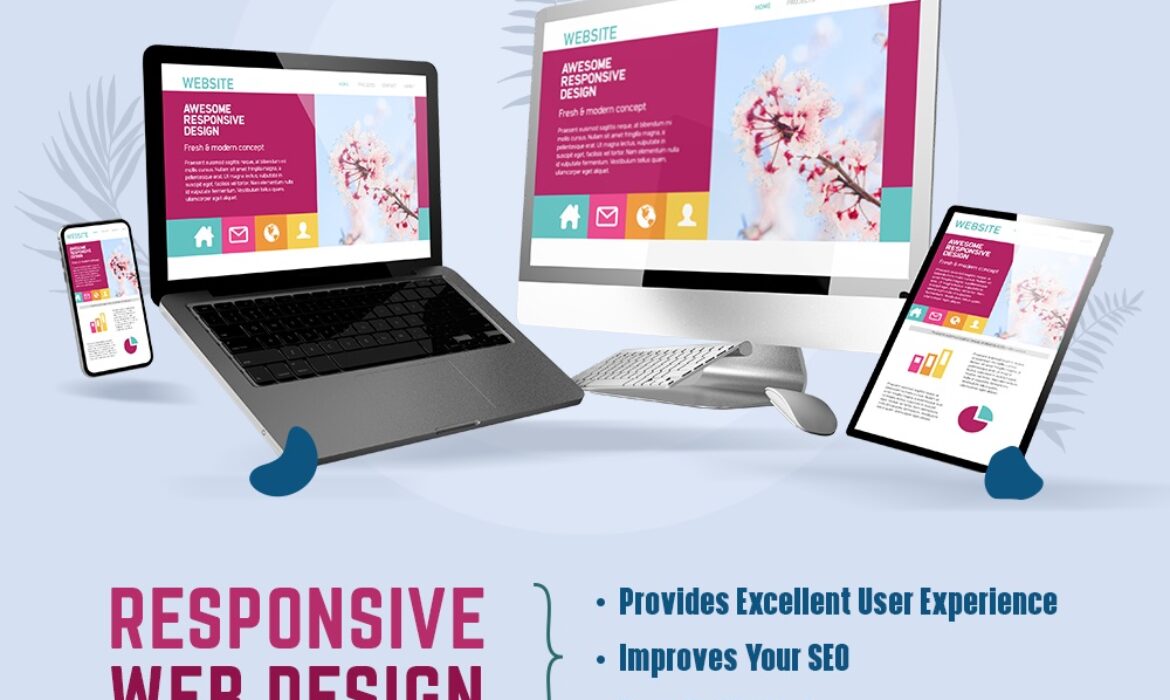

The Crucial Role of Website Design in Digital Marketing
In the rapidly evolving landscape of digital marketing, where online presence is a cornerstone of success, the role of website design has become more pivotal than ever. A well-designed website is not merely an aesthetic component; it serves as a strategic tool that can significantly impact a brand’s digital marketing efforts. In this article, we will explore the multifaceted relationship between website design and digital marketing, shedding light on how a thoughtful and user-centric design can enhance the overall effectiveness of online campaigns.
1. First Impressions Matter:
The old adage “first impressions are lasting impressions” holds true in the digital realm as well. A website is often the first point of contact between a brand and its audience. Users form an opinion about a website within seconds, and this initial impression can influence their decision to stay or leave.
A visually appealing and well-organized website not only captures the attention of visitors but also instills trust in the brand. This trust is a fundamental building block for successful digital marketing initiatives, as users are more likely to engage with a brand they perceive as professional and reliable.
2. User Experience (UX) and Conversion Rates:
Website design directly influences the user experience (UX), which plays a crucial role in determining conversion rates. A website that is easy to navigate, with intuitive design and clear calls-to-action, encourages users to explore further and take desired actions.
Conversely, a poorly designed website can lead to frustration and high bounce rates. Digital marketing efforts, such as pay-per-click (PPC) advertising or social media campaigns, may drive traffic to a site, but if the user experience is subpar, the conversion rates are likely to suffer. A seamless and enjoyable UX is, therefore, a prerequisite for successful digital marketing campaigns.
3. Mobile Responsiveness:
With the increasing use of smartphones, having a mobile-responsive website is no longer a luxury but a necessity. Google’s algorithms prioritize mobile-friendly websites, and a large percentage of users access the internet through mobile devices.
Digital marketing strategies need to consider the mobile experience, and a responsive website design ensures that the content adapts to different screen sizes. This not only improves search engine rankings but also enhances user engagement, as visitors can easily access and navigate the site on their preferred devices.
4. Search Engine Optimization (SEO):
Website design and SEO are intricately linked. Search engines evaluate various design elements to determine a website’s relevance and credibility. Factors such as site structure, URL structure, image optimization, and page load speed all contribute to a website’s SEO performance.
A well-optimized website is more likely to rank higher in search engine results, increasing its visibility to potential customers. Digital marketing efforts, including content marketing and link building, are more effective when supported by a strong SEO foundation achieved through thoughtful website design.
5. Branding Consistency:
Consistency in branding is essential for building brand recognition and trust. Website design plays a key role in maintaining a consistent brand identity across various digital channels. The colors, fonts, and visual elements used in the design should align with the overall brand image.
When digital marketing campaigns drive traffic to a website, users should experience a seamless transition from the campaign to the website itself. This consistency reinforces the brand message and helps in establishing a strong and recognizable brand identity.
Conclusion:
In the ever-evolving digital marketing landscape, a well-designed website is not just a virtual storefront but a dynamic tool that can significantly impact a brand’s success. From creating positive first impressions to influencing user experience, supporting SEO efforts, and maintaining brand consistency, website design is a linchpin in the digital marketing ecosystem.
Businesses that recognize the symbiotic relationship between website design and digital marketing are better positioned to thrive in the competitive online space. As technology and consumer behavior continue to evolve, investing in a user-centric and strategically designed website will remain a cornerstone of successful digital marketing strategies.